
Safety First!
Switch Test & Tag prides itself on fast bookings, quick turnaround on jobs, minimal disruption to your business operations, clear and consistent communication, and thorough compliance reporting. We perform all these tasks with safety as our guiding principle. AS/NZS 3760:2022
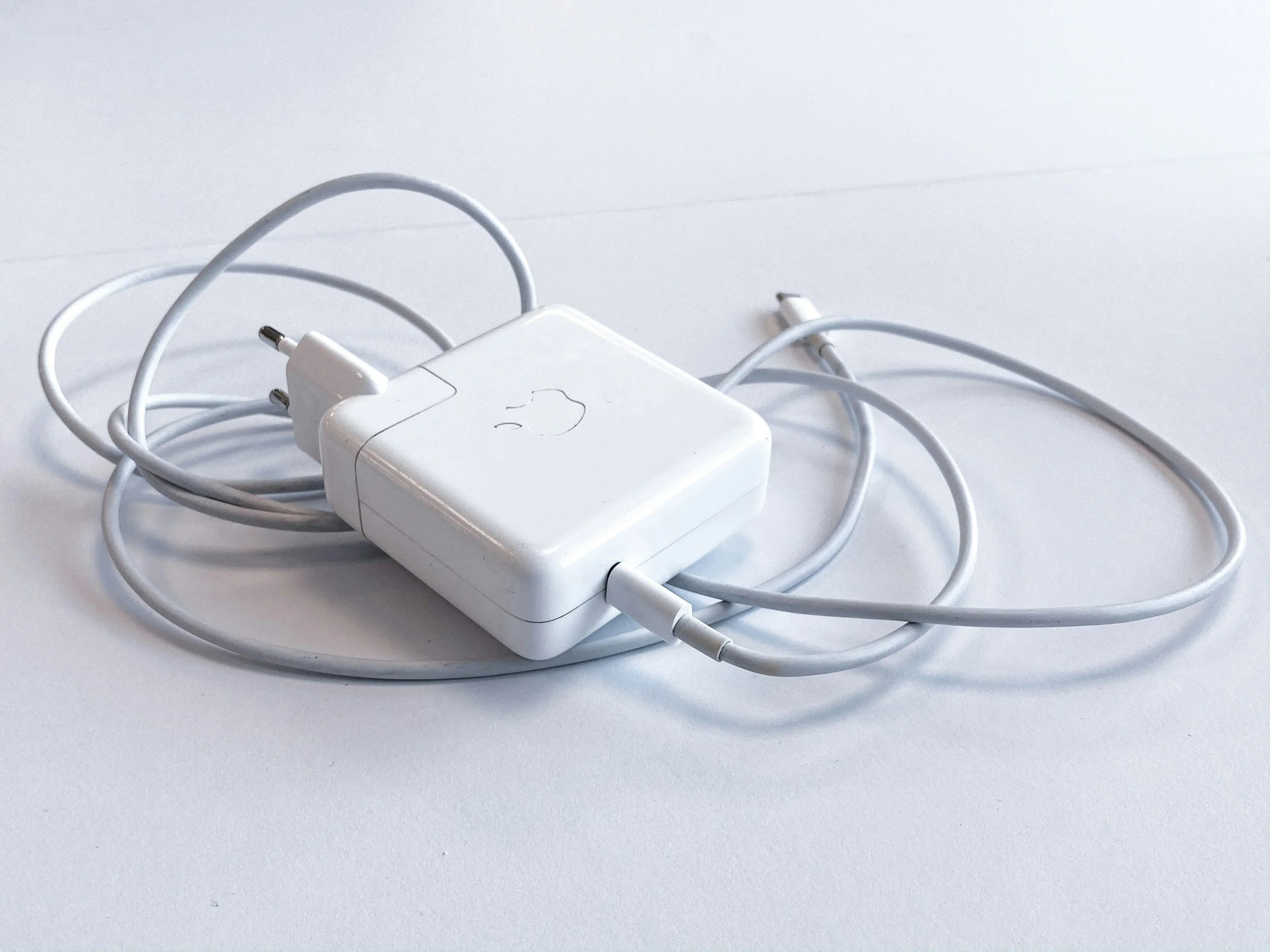
Portable Appliance Test & Tag
This is a fancy way of saying we test items that are portable. We do the following:
Visual check: The technician looks for frayed cords or broken plugs.
Electrical tests: We use a special machine to check if the item leaks electricity or is wired correctly.
Tagging: We put a sticker on the cord with the test date.
Examples: phone chargers, toasters, computers, monitors, coffee makers, microwaves, desk lamps, and power tools.
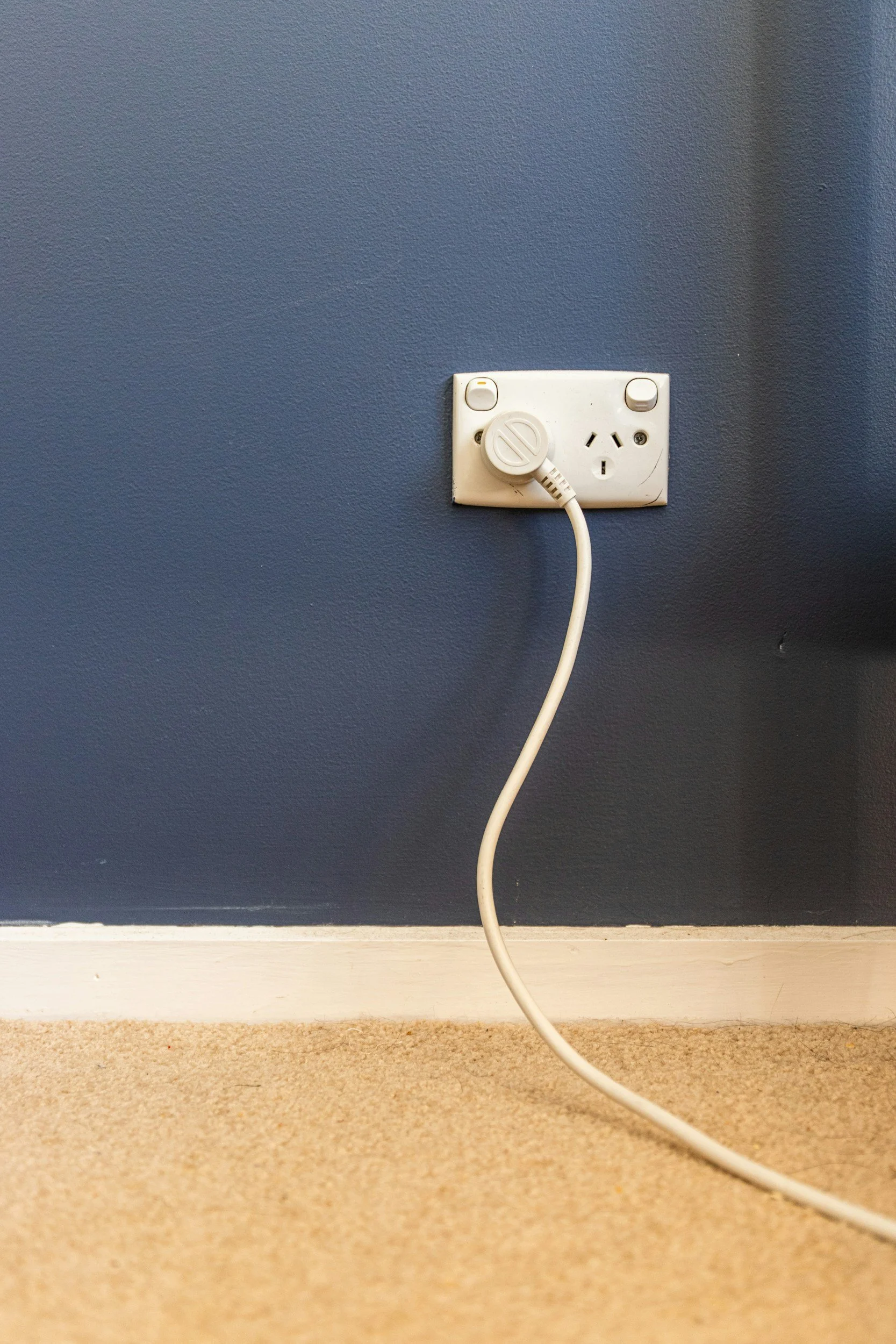
Portable Residual Current Device (PRCD’s) Testing
A PRCD is a safety device designed to protect you from severe electrical shocks by constantly monitoring the electrical current passing through a circuit and cutting the power almost instantly if it detects a fault.
Over time internal mechanical components can degrade, seize up, or slow down over time, rendering them useless during an actual electrical fault. Because they are safety devices, you will not know a PRCD is broken just by looking at it.
Service Interval

Microwave Leakage Testing
Did you know employers have a duty of care to test their Microwaves for leakage. This is a separate test, but very important for your staff safety and liability.
Microwave leakage testing is the process of measuring the amount of radiofrequency radiation that escapes from a microwave oven while it is operating.
Over time, door seals can degrade, hinges can loosen, or food buildup can prevent the door from closing tightly. Testing ensures that the oven is still safe to use and that radiation levels do not exceed legal safety limits.
We test items on a schedule determined by QLD regulation - Worksafe QLD under the Electrical Safety Regulation 2013
👷 Construction Work
Interval: Every 3 months.
WorkSafe Rule: Applies to all portable tools, extension cords, and appliances used on building, demolition, or civil construction sites. Transportable structures or construction wiring must be tested every 6 months.
🏭 Manufacturing Work
Interval: Every 6 months (or 12 months if the item is explicitly double-insulated).
WorkSafe Rule: Applies to production lines, factories, workshops, and assembly plants where equipment is prone to heavy wear and tear.
🚜 Rural Work
Interval: Every 12 months.
WorkSafe Rule: Applies to electrical equipment used in agriculture, farming, or forestry industries if the equipment is operating under heightened environmental risks and is not already protected by a safety switch (RCD).
🛠️ Service Work
Interval: Every 12 months.
WorkSafe Rule: Applies to commercial kitchens, retail stores, laboratories, and hospitality industries. In this category, testing is only legally mandatory for specified equipment that is actively moved during normal use (e.g., a commercial vacuum cleaner or hand mixer).
🏢 Office Work
Interval: Every 5 years.
WorkSafe Rule: Applies to low-risk administrative environments. It only applies to equipment that is moved during use (such as a desk fan or laptop charger) and is not protected by a safety switch. Stationary office equipment (like a desktop computer or photocopier) generally does not require tagging.
Reporting & Reminder Service
In Queensland, reporting and record-keeping are the legal backbone of electrical safety compliance. Under the WorkSafe QLD Electrical Safety Regulation 2013 and the AS/NZS 3760:2022 standard, the reporting and record-keeping compliance requirements involve specific components:
WorkSafe QLD requires a dedicated Asset Register / Logging system. For every piece of specified electrical equipment, our reports capture:
Asset Identification: A unique tracking number or barcode assigned to the item.
Equipment Description: Clear identification of the specific appliance (e.g., "Extension Lead 10m").
Test Outcome: Whether the item formally passed or failed.
Date of Work: The precise day the equipment was physically tested.
Next Due Date: The scheduled date for the next inspection based on industry intervals.
Tester’s Identification: The name of the competent person or the licence number of the electrical contractor.
We also take the stress out of remembering when you’ve got to test and tag for compliance. We will work with you to create a schedule for your business that maintains your compliance under the framework.